Google’s AR Glasses Gain Edge as Apple Bows Out
Augmented Reality (AR) technology has been a buzzword in the tech industry for quite some time. With big players like Google and Apple throwing their hats in the ring, the race for AR supremacy was intense. However, with recent developments, Google’s AR glasses might just have gained the upper hand as one of its top competitors has decided to step back.
The Quiet Exit of a Giant
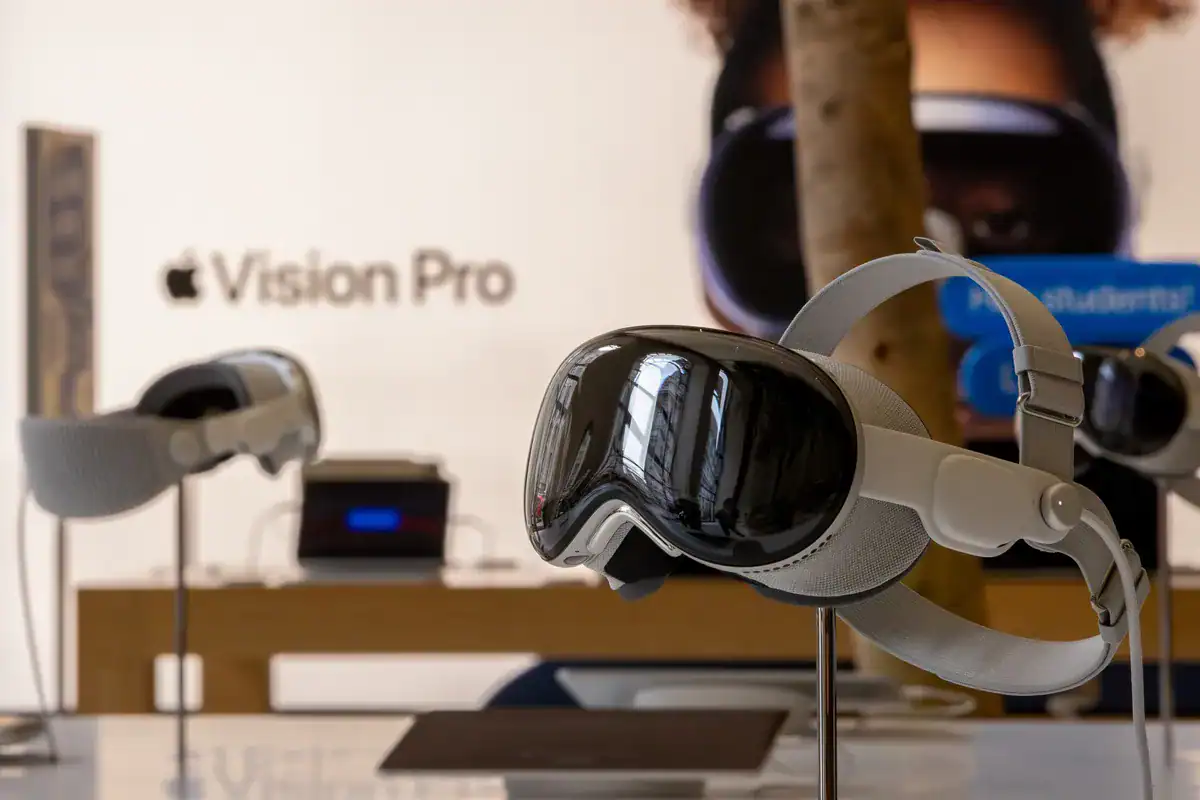
It seems Apple’s decision to pause its AR glasses project has surprised many in the industry. Apple’s AR tech development was something many enthusiasts eagerly awaited, with whispers of ground-breaking innovations that could redefine how we interact with our devices. But now, with Apple taking a backseat, the landscape seems a little different for Google and other competitors in the arena.
Google can breathe a little easier now that Apple has cancelled its Mac-dependent Augmented Reality (AR) glasses project, according to a report from Bloomberg’s Mark Gurman.
Though Apple hasn’t completely thrown in the towel, its shift in focus away from consumer AR glasses gives Google a clearer path to impress users without the shadow of its formidable competitor looming large. So, what does this mean for the future of AR, and how is Google poised to capitalise?
A More Focused Approach for Google
With Apple stepping back, Google has an opportunity to fine-tune its AR offerings without the pressure of matching up to Apple’s speculated innovations. This advantage allows Google to experiment and potentially push boundaries without direct and immediate pressure from Apple. Google’s decision to tap into the AR market now could set it up as the go-to option for consumers looking for wearable AR devices.
The development of Google’s AR glasses isn’t just about packing a gadget with the most features but ensuring they offer a seamless integration with Android devices and deliver tangible value to everyday users. This is where Google can make strategic improvements that ensure its device is not just a novelty but a necessity for tech-savvy consumers.
The Path Ahead for Google
Google’s immediate focus will likely be on making its AR glasses more user-friendly and accessible. The emphasis will be on practical applications that simplify daily tasks or augment experiences, such as real-time translations, navigation enhancements, and even fitness monitoring. With the pressure slightly off, there’s potential for Google to explore unique features that haven’t been delved into by competitors yet.
Additionally, Google has a vast ecosystem of services and applications that can be integrated seamlessly with AR technology. Imagine using Google Maps in tandem with AR glasses on a road trip, transforming your windshield into a live navigator. This is the future that many enthusiasts are excited about, and with less pressure from competitors, Google’s engineers can focus on making these possibilities realities.
Challenges and Considerations
Despite this potential upper hand, Google hasn’t entirely escaped hurdles. The AR market is still in its infancy and faces challenges related to user privacy, technical obstacles, and high development costs. Google must balance innovation with user trust, ensuring data protection remains paramount while developing cutting-edge AR capabilities.
Moreover, public reception is critical. The usability of Google’s AR glasses must resonate with everyday users who may not be familiar with or accepting of what might initially appear to be an intrusive technology. This requires crafting not just a device, but an experience that consumers find indispensable.
Collaborations and Innovations
One avenue Google might explore is forging partnerships with fashion, automotive, or healthcare sectors. These industries can offer myriad ways to implant AR tech into their products or services, providing Google a gateway to expand its offerings beyond the typical tech consumer sphere.
Moreover, innovation will be key. Google might take this opportunity to experiment with new materials that make AR glasses more lightweight and less obtrusive. By focusing on improving battery life and display clarity, Google can ensure that its glasses don’t just look good but perform efficiently over extended periods.
Conclusion
In the rapidly evolving world of AR technology, Google’s AR glasses stand to benefit from Apple’s tactical retreat. The newfound breathing room allows Google to hone its technology, seek collaborations, and tackle the challenges of the market with a more focused and strategic approach. With less competition breathing down its neck, Google now has the opportunity to establish itself as a trailblazer in the AR arena.
So, as we look forward to the new era of augmented reality, it seems the horizon is bright for Google and its AR aspirations. While the road is still long and full of challenges, the potential for innovation and integration into everyday life is promising. All eyes are on Google to see just how far it can take its AR vision into reality.

I do marketing and tech things. Despite my profile picture, I don’t live my life in Instagram