
Switching from iOS to Android: From Curiosity to Commitment
The decision to switch from iOS to Android began with a fascination for Samsung’s foldable phone technology. While Apple continued to fuel rumours of its own foldable device without delivering, Samsung refined the concept year after year. The Galaxy Z Fold 7, with its ability to function as both a smartphone and a tablet, proved too tempting to resist.
A hands-on trial at a local store sealed the deal, and a combination of trade-in offers, and promotional incentives made the purchase financially appealing. The plan was to test it for a week, and if it didn’t work out, return to the iPhone. But the early experience, while rocky, started to shift that mindset.
>> Buy the Samsung Galaxy Flip 7 on Three UK
The Setup Struggle
Initial setup with Smart Switch using a cable was frustrating. Three hours into the transfer, the connection dropped, leaving only partial data migrated. Thankfully I still have a physical SIM card which made moving my number straightforward – I’m not sure how easy this would be with an eSIM. You do need to make sure you deactivate iMessage and Facetime etc. before you fully exit your iPhone.
A second attempt, this time using Smart Switch wirelessly, worked flawlessly. All contacts, calendars, and media transferred successfully, allowing full customisation of the device. Password re-entry and home screen layout took time, but by the end of the weekend, everything was functional and tailored to personal preferences.
Living With Android
Android’s progress over the past decade was immediately noticeable. The system felt responsive, customisable, and adaptable. Features missing from iOS could often be replicated through settings adjustments or third-party apps. Battery life, initially underwhelming, improved after a few days, easily lasting a full day.
However, not every aspect was superior. The Fold’s camera performed well overall, but macro photography from the iPhone was missed. The Samsung keyboard proved frustrating, with overzealous autocorrect requiring multiple attempts to type certain words. Switching to Google Keyboard resolved this.
Android Auto integrated well, especially with my Ford Focus, displaying turn-by-turn navigation on the dashboard, something Apple CarPlay didn’t offer. Local music playback required replacing the Galaxy music app with Poweramp for better album-based browsing, although Apple Music remained useful on Android for streaming. I’ll do a seperate article on Apple Music on Android as I need to get this working better after years of random music buying on the Apple ecosystem.
The Features Still Missed From iOS
While the Fold delivered plenty to enjoy, some iOS features were hard to replace:
Face Unlock – More consistent and faster on iPhone, with the Fold occasionally failing to recognise the user.
MagSafe – The convenience and reliability of magnetic accessories on iPhone were unmatched, with Android alternatives often feeling bulky or less secure.
iMessage – Still the smoothest messaging experience among iPhone users, hindered only by Apple’s refusal to adopt universal standards.
Apple Pay – More reliable than its Android counterpart, which occasionally produced errors.
Password Autofill – Seamless on iOS, but inconsistent on Android, requiring manual entry more often.
The Trade-Offs and Annoyances
Not all Android flexibility felt essential anymore. The sheer volume of available settings was offset by some less polished areas, such as Samsung’s One UI feeling clunky, and stock messaging, phone, and email apps lacking refinement. Notifications behaved inconsistently, widgets were sometimes awkwardly shaped, and the Play Store was cluttered with ads.
Battery life, although improved, still lagged behind the iPhone’s endurance in some cases. Apps, while numerous, often contained more ads and felt less optimised than their iOS equivalents. For all of Android’s freedom, some elements felt unnecessarily busy compared to Apple’s streamlined approach.
The screen is dissapointing in terms of brightness – outside in particular its noticeable. The lack of an optical zoom camera on the Flip 7 is more annoying than I thought it would be. The iPhone cameras (coming from my iPhone 16) basically covered everything, really well.
Finding the Balance
Switching from iOS to Android was less about finding a perfect platform and more about choosing which compromises were easier to live with. The Fold offered hardware innovation Apple simply hadn’t matched, along with unmatched flexibility in customisation and multitasking. At the same time, iOS retained its edge in certain everyday conveniences, reliability, and overall polish.
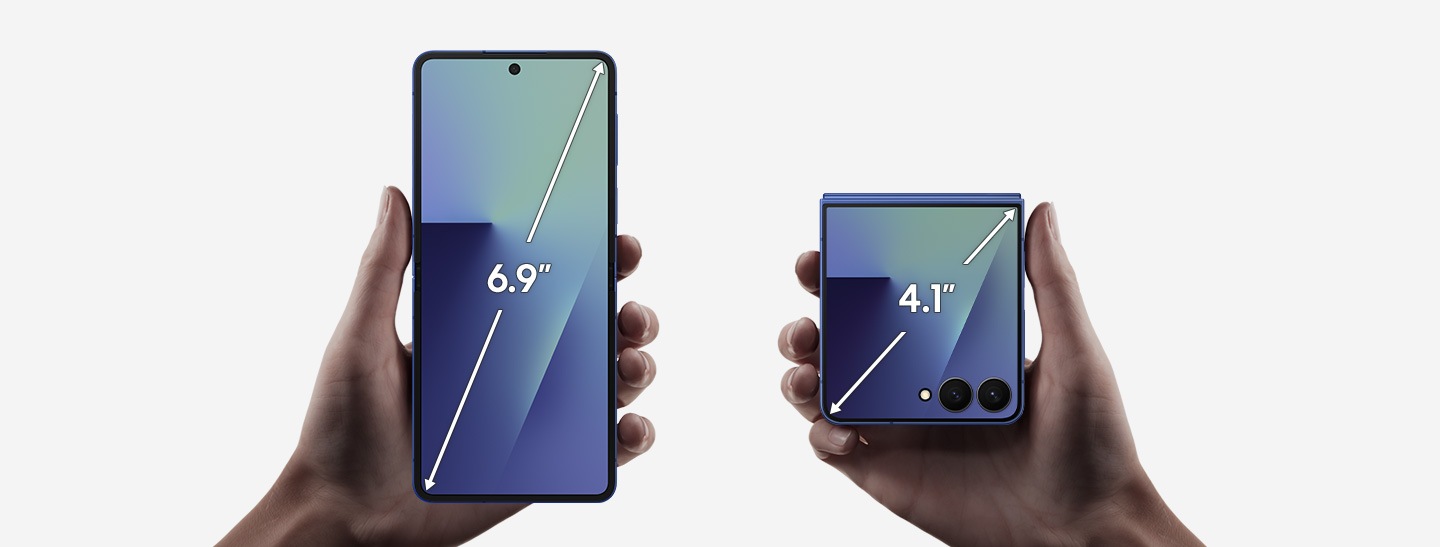
The size and the portability are a massive, massive, win. Whether this is enough for the trade-offs I think each individual will have to decide. Slipping the Fold 7 into my pocket and forgetting it’s there is an amazing experience. Of course, my Apple Watch now needs replacing with an Samsung Galaxy Watch, but the finances for that will have to wait a few months!
Ultimately, the Fold brought excitement back to using a phone, from its physical transformation into a tablet to the joy of tailoring every aspect of the interface. While some Apple features were sorely missed, the switch proved that with patience, customisation, and the right apps, Android could offer a powerful and engaging experience for those willing to adjust.
>> Buy the Samsung Galaxy Flip 7 on Three UK

I love tech and gaming, and am always looking for the ‘next big thing’…