
Google Maps is getting AI enhancements
Google is doubling down on artificial intelligence, and this time it’s turning its attention to one of its most widely used services: Google Maps. The new features, announced at Cloud Next in Las Vegas this week, add generative AI capabilities to Google’s mapping platform, giving it enhanced visual and data analytics powers designed to make navigation smarter, more intuitive, and far more conversational.
The changes are part of Google’s broader push to embed its Gemini AI models across its ecosystem, and Maps is quickly becoming one of the most interesting examples of how that strategy could reshape everyday apps.
A smarter, AI-powered Maps experience
At the centre of the update is the integration of generative AI into Google’s mapping platform. Announced at a recent developer event, the new features are designed to enhance both the visual and analytical capabilities of Maps, particularly for enterprise users working with geospatial data.
In practical terms, this means Google Maps is evolving beyond a simple navigation tool into something much more powerful. AI can now help analyse large datasets, interpret imagery, and even generate new visual content based on real-world locations.
One example is a feature that allows users to create realistic scenes within Street View using AI. By entering a prompt, users can visualise how a space might look after changes, such as a construction project or event setup.
While this is clearly aimed at businesses and developers, it hints at a future where Maps becomes a more dynamic and interactive platform for everyone.
“Ask Maps” brings conversational search
For everyday users, one of the most exciting additions is a new conversational feature often referred to as “Ask Maps.” Powered by Google’s Gemini AI, it allows users to ask complex, natural-language questions and receive tailored answers directly within the app.
Instead of typing in a simple search like “coffee shop,” users could ask something more specific, such as where to find a quiet place to work with good Wi-Fi nearby. The AI then pulls together data from reviews, location details, and real-time information to provide a more useful response.
This marks a significant shift in how people interact with Maps. Rather than manually searching and filtering results, the app becomes more like a digital assistant, understanding intent and delivering personalised recommendations.
Immersive Navigation gets a major upgrade
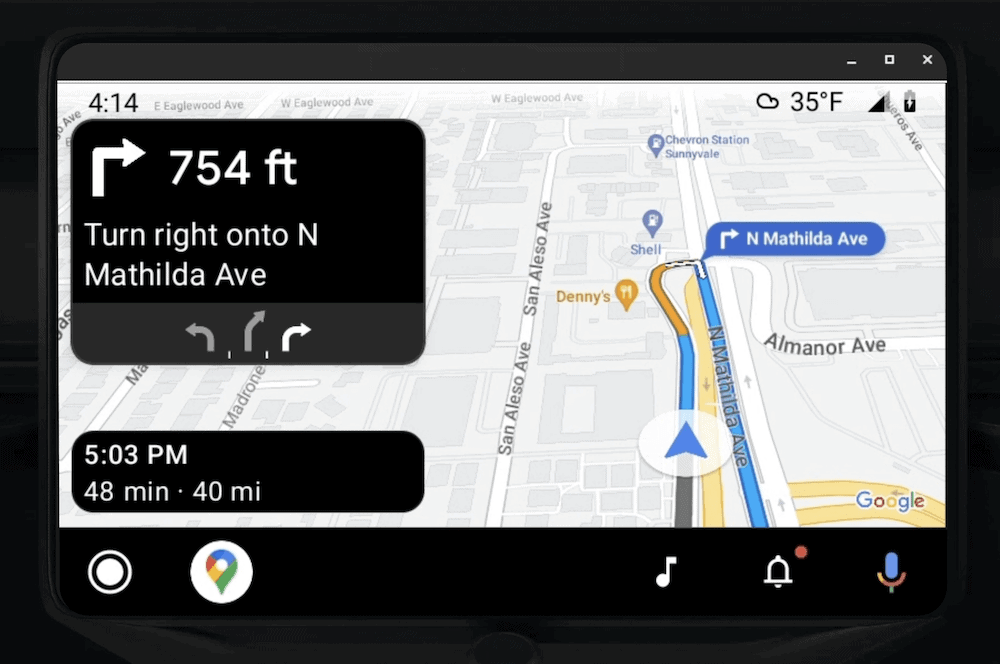
Navigation itself is also getting a major overhaul. Google is introducing an upgraded “Immersive Navigation” experience that uses AI to provide more detailed, visually rich directions.
This includes 3D views of roads and buildings, clearer route previews, and more natural voice guidance. The idea is to make navigation feel less like following instructions and more like understanding your surroundings in real time.
The system can also highlight key details such as traffic conditions, road layouts, and potential obstacles, helping drivers and pedestrians make better decisions on the move. Combined with AI-powered insights, this could make getting around unfamiliar areas significantly easier.
AI-powered insights and data analysis
Beyond navigation, Google is also expanding the analytical capabilities of Maps. New tools are being introduced to help users work with satellite imagery and geospatial data more efficiently.
For example, AI can now analyse large volumes of satellite data and extract meaningful insights in a fraction of the time it would take manually. Tasks that previously required weeks of work can now be completed in minutes, thanks to automation powered by machine learning.
This has obvious benefits for industries such as urban planning, logistics, and environmental monitoring, but it also shows how Google Maps is evolving into a platform that goes far beyond consumer navigation.
Building on an expanding AI ecosystem
These updates don’t exist in isolation. Google has been steadily adding AI features to Maps over the past few years, including tools that generate captions for user-uploaded photos and predict things like electric vehicle charger availability.
The latest enhancements build on that foundation, creating a more cohesive AI-driven experience across the app. By combining conversational search, visual understanding, and predictive analytics, Google is effectively turning Maps into a multi-purpose AI assistant.
This approach also aligns with broader trends in the tech industry, where companies are moving away from traditional app interfaces and towards more intelligent, context-aware systems.
What it means for users
For everyday users, the benefits are clear. Google Maps is becoming easier to use, more personalised, and more capable of handling complex queries.
Instead of juggling multiple apps to plan a trip or find information, users can rely on Maps to do much of the heavy lifting. Whether it’s discovering new places, navigating a busy city, or planning a journey, AI is making the process faster and more intuitive.
However, as with any AI-driven service, there are also potential concerns. Privacy remains a key issue, particularly when features rely on personal data to deliver tailored recommendations. Google has emphasised that its systems are designed with safeguards in place, but it’s likely to remain a topic of discussion as these features roll out more widely.
A glimpse of the future of navigation
Ultimately, Google’s AI upgrades to Maps represent more than just a feature update, they offer a glimpse into the future of how we interact with digital tools.
By combining conversational AI with real-world data, Google is redefining what a mapping app can do. It’s no longer just about getting from A to B; it’s about understanding the world around you and making smarter decisions along the way.
As these features continue to evolve, Google Maps could become one of the most powerful examples of AI in everyday life, quietly working in the background to make navigation, discovery, and planning feel almost effortless.
Via Google Blog Updates

One of the Editors for Tech on the Go, I love covering mobile tech and social media. I also manage the reviews we cover so all the writers stay on my good side!