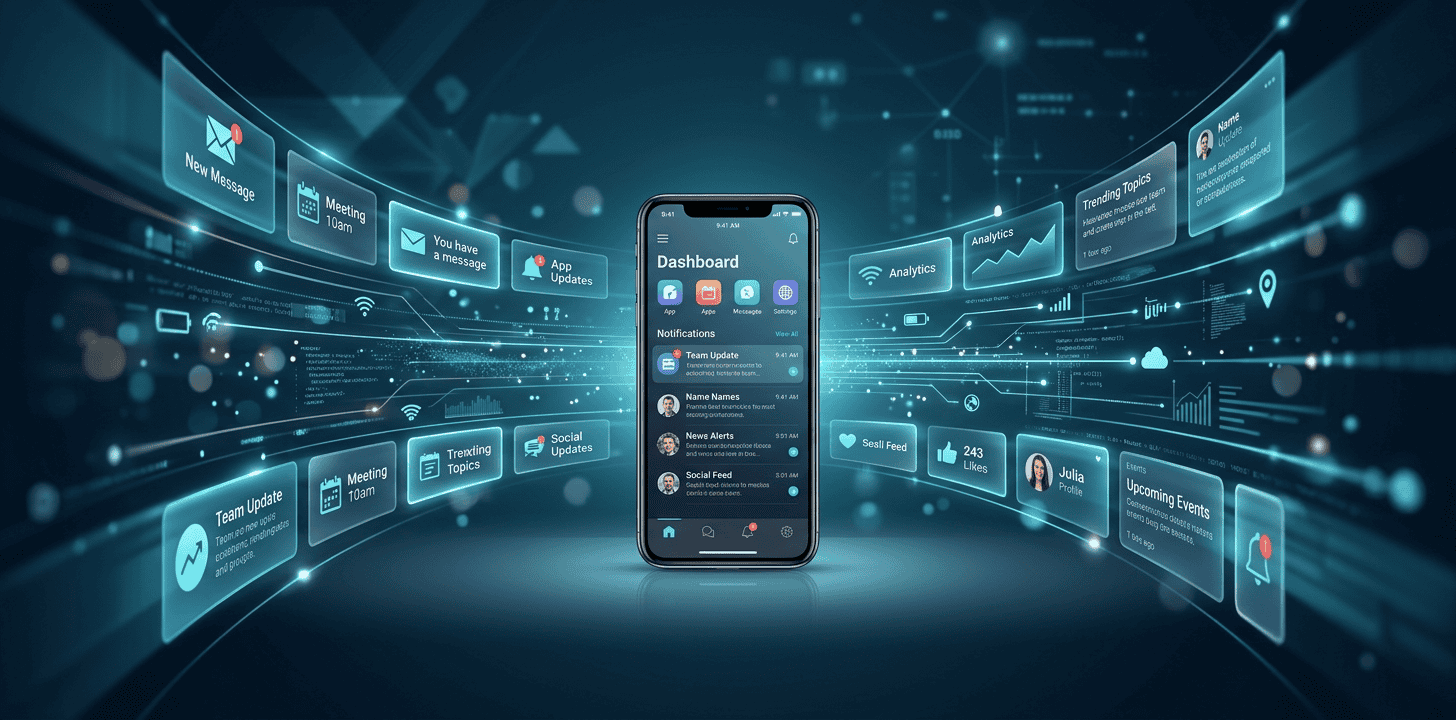
Social media feels different lately, and that is not just in your head. If your posts used to get steady reach and now seem to disappear, the reason is usually the same, platforms have changed how they rank, recommend, and distribute content.
The good news is that new social media algorithms explained do not have to sound mysterious. Once you understand what platforms are optimizing for, you can make smarter content choices, grow faster, and stop guessing what works.
Introduction
Most platforms are no longer just showing content to followers in simple chronological order. Instead, they are predicting what each person is most likely to watch, like, share, save, or comment on. That means the algorithm is less about who posted and more about how the audience behaves.
Here’s the thing, this shift rewards relevance, retention, and genuine interaction. If you create for people instead of chasing hacks, you are already closer to what the platforms want.
What Social Media Algorithms Are Really Doing
At a basic level, algorithms sort content by predicted value. They look at signals like watch time, click-through behavior, comments, shares, saves, follows, and whether someone returns to the app after seeing a post.
That is why a small account can outperform a large one. If a post keeps people engaged, the platform may push it to a larger test group, then expand reach if the numbers stay strong.
Engagement is not just likes anymore
Likes still matter a little, but they are no longer the strongest signal on most platforms. Shares, saves, rewatches, and meaningful comments often carry more weight because they show deeper interest.
This is why content that teaches, entertains, or solves a problem tends to perform better than generic updates.

How The Major Platforms Think Differently
Every platform has its own priorities, even if the general idea is similar.
Instagram and Facebook
These platforms tend to favor content that keeps people on the app and encourages interaction. Reels, carousel posts, and content that drives saves or shares often get stronger distribution than plain image posts.
If a post sparks conversation in the comments or keeps viewers watching until the end, it usually has a better chance of being shown more widely.
TikTok
TikTok is heavily driven by watch behavior. If people finish your video, rewatch it, or interact quickly, the system learns that your content is engaging and tests it with more users.
That is why the first few seconds matter so much. If your hook is weak, the algorithm may never give the post a fair shot.
YouTube Shorts and long-form video
YouTube cares a lot about click-through rate, watch time, and audience satisfaction. If people click and stay, the video becomes easier to recommend.
For long-form content, session time matters too. A strong title and thumbnail can help, but the content still has to deliver quickly.
X and LinkedIn
These platforms still reward timely, conversation-friendly content. Posts that get replies, reposts, and strong early interaction tend to travel further.
On LinkedIn especially, clear ideas, useful insights, and professional storytelling can outperform polished but empty posts.
Why Reach Feels Lower Than Before
A lot of creators think they are being punished, but often the reality is simpler. There is more content, more competition, and more machine learning deciding what gets attention.
The platforms are trying to personalize harder than ever. That means your content is not competing with every post, it is competing for a very specific user at a very specific moment.
What To Focus On Instead Of Chasing Hacks
If you want results, focus on the signals algorithms can measure well.
Create strong hooks
Your opening line or first frame should create curiosity fast. Ask a question, make a bold claim, or show the outcome first.
Build for retention
Keep people watching or reading by removing fluff. Tight editing, clear structure, and quick pacing matter more than ever.
Encourage useful engagement
Ask for opinions, not just likes. Invite saves by sharing a checklist, a tip, or a takeaway that people will want to revisit.
Post consistently
Consistency helps the platform learn who your content is for. You do not need to post nonstop, but you do need a reliable rhythm.
Match content to intent
A tutorial, a hot take, and a trend-based post all behave differently. The algorithm responds better when your format fits the audience expectation.
What This Means For Tech News And Review Brands
For tech news, reviews, and trend coverage, the opportunity is huge. People want fast explanations, practical comparisons, and opinions they can trust.
That means posts like “what changed,” “why it matters,” and “should you care” often perform well. If you can translate complicated platform updates into plain English, you become more useful and more shareable.
If you are building a content strategy, this is exactly where Tech On The Go can help shape the angle. Publishing around clear tech shifts, new features, and real-world use cases gives your audience a reason to come back.
The Biggest Mistake People Make
The biggest mistake is creating for the algorithm instead of the audience. That sounds like a small difference, but it changes everything.
Algorithms follow audience behavior. So if people do not care, the system will notice. If people stop, watch, share, and return, the system will notice that too.
Conclusion
The future of social media is not about gaming one platform, it is about understanding what keeps people engaged. Once you see how ranking systems work, the whole process becomes less intimidating and much more strategic.
The smartest move is simple, make content that earns attention, holds attention, and gives people a reason to respond. Do that consistently, and you will work with the algorithm instead of fighting it.
Grow Smarter With Better Content
If you want more practical tech coverage and sharper digital strategy ideas, keep building your content around what your audience actually wants. Visit Tech On The Go for more tech news, reviews, and trend-focused insights that help you stay ahead.

Scouring the internet for mobile tech, news & tips!