

If you’ve been waiting for the next big leap in phone photography, this is the part of the cycle where things get interesting. The conversation around upcoming flagship camera specs is no longer just about megapixels, it’s about how far phone makers can push sensor size, computational photography, low-light performance, and zoom without making devices bulky.
That shift matters because most buyers do not care about spec sheets in isolation. They care about sharper portraits, cleaner night shots, steadier video, and a camera that feels fast the second they open it. In other words, the real question is not what number is printed on the box, it’s what those numbers actually deliver in your hand.
Why Camera Specs Matter More Than Ever
Flagship phones have reached the point where the basics are largely solved. Nearly every premium device can take a good daylight photo. The gap now lives in the details, especially when lighting drops, the subject moves, or you want consistent results across all lenses.
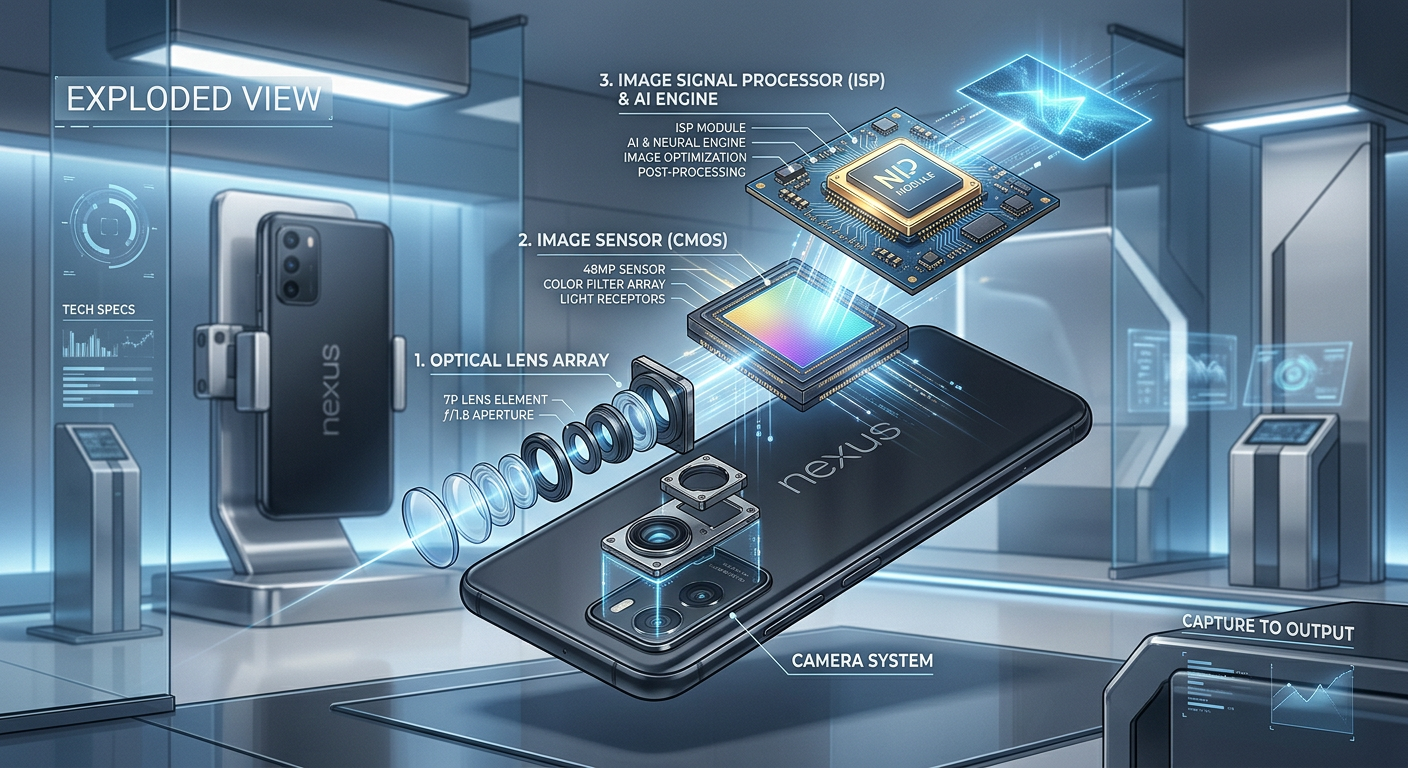
That’s why camera hardware still matters. Bigger sensors can capture more light, improved lens coatings can reduce flare, and better autofocus can make the difference between a usable shot and a missed moment. Add stronger image processors and AI-assisted tuning, and you start to see why the next wave of flagships could feel more like camera upgrades than phone upgrades.
The Camera Specs To Watch Closely
Larger Main Sensors
Expect more brands to lean into larger main sensors, because that is one of the easiest ways to improve dynamic range and low-light performance. A larger sensor can gather more light, which often means cleaner shadows, better detail, and less noisy night shots.
For readers, that usually translates into photos that look more natural instead of overly processed. It also helps when you shoot indoors, where phone cameras often struggle with mixed lighting.
Better Telephoto Zoom
Zoom is becoming a major battleground again. Instead of relying on digital crop tricks, flagship phones are increasingly using dedicated telephoto hardware to deliver more usable long-range shots.
The next generation of devices will likely focus on clearer 3x to 10x results, stronger stabilization, and improved portrait flexibility. That matters if you photograph travel scenes, concerts, sports, or anything where stepping closer is not an option.
Faster Autofocus Systems
Autofocus is one of the most underrated camera features in a phone. A fast sensor and smarter focus system can turn a frustrating camera into one that feels effortless.
Look for more phase-detection improvements, better subject tracking, and stronger motion capture. If manufacturers get this right, the difference will be obvious in everyday use, especially with kids, pets, and street photography.
Smarter Computational Photography
This is where the software side gets serious. Expect even more aggressive multi-frame processing, scene recognition, and tone mapping designed to balance highlights and shadows.
The best implementations will not look artificial. They will simply make photos look more stable, more detailed, and more consistent across the entire camera app. For a useful benchmark on how computational photography keeps evolving, it is worth following research and product updates from Google Research and Apple Newsroom.
Video Is Still A Big Deal
A lot of people focus only on still images, but video is where flagship cameras often separate themselves. The next wave of premium phones will likely improve 4K capture, dynamic range, and stabilization, while making high frame-rate recording easier to use without heating issues.
That means better handheld footage, smoother panning, and fewer blown-out highlights when you film outside. If you create content for social media or YouTube, those gains can matter just as much as still-photo quality.
What To Expect From Premium Video Features
- Stronger optical and electronic stabilization
- Improved low-light video capture
- Better HDR handling across front and rear cameras
- Faster switching between lenses while recording
- More reliable audio pickup with multiple microphones
The Selfie Camera Is Getting More Serious
The front camera used to be an afterthought. Not anymore. With video calls, vlogging, livestreams, and social content becoming part of everyday phone use, front-facing cameras are now a core selling point.
Expect better autofocus, wider dynamic range, and improved portrait separation. Some phones will also push larger front sensors and smarter skin-tone processing, which should help selfies look more realistic and less overly smoothed.
What This Means For Buyers
If you are shopping for a new flagship, do not get distracted by megapixels alone. A 200MP label sounds exciting, but it tells you very little about actual image quality.
Instead, look for the combination that usually matters most, sensor size, lens quality, autofocus speed, image processing, and software support. That is the mix that determines whether a phone camera feels premium in real life.
For readers tracking the broader smartphone market, it is also smart to compare camera claims against hands-on reviews from trusted outlets like The Verge and GSMArena, because spec sheets rarely tell the whole story.
A Smarter Way To Read Camera Rumours
Here’s the thing, leaks can be useful, but they can also mislead. A rumored sensor size means little without knowing the lens behind it, the ISP tuning, and the brand’s software approach.
So when you see new upcoming flagship camera specs, try to ask three questions:
- Is the hardware genuinely improved, or just renamed?
- Does the software support the hardware well?
- Will the upgrade help real-world shots, not just lab tests?
That simple filter keeps you from chasing marketing noise.
Conclusion
The next generation of flagship cameras is shaping up to be less about gimmicks and more about meaningful refinement. Bigger sensors, better zoom, smarter autofocus, and stronger video tools are all on the table, and the best phones will combine them in a way that feels seamless.
If you care about mobile photography, this is a great time to pay attention. The most exciting improvements in upcoming flagship camera specs are not the flashy headline numbers, they are the practical upgrades you will notice every day.
Stay Ahead With The Latest Tech Coverage
If you want clear, no-nonsense tech coverage that helps you compare real products instead of marketing hype, keep following Tech On The Go. Visit Tech On The Go for more news, reviews, and buying advice that cuts through the noise.

Scouring the internet for mobile tech, news & tips!