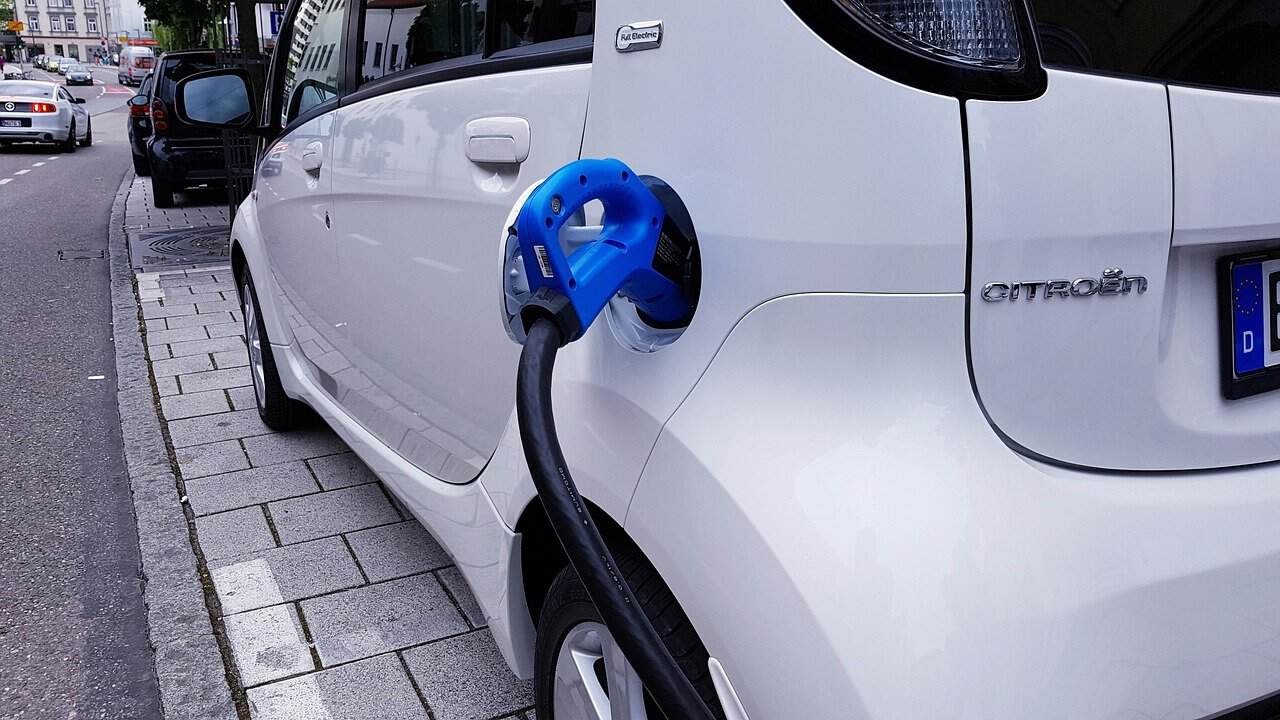
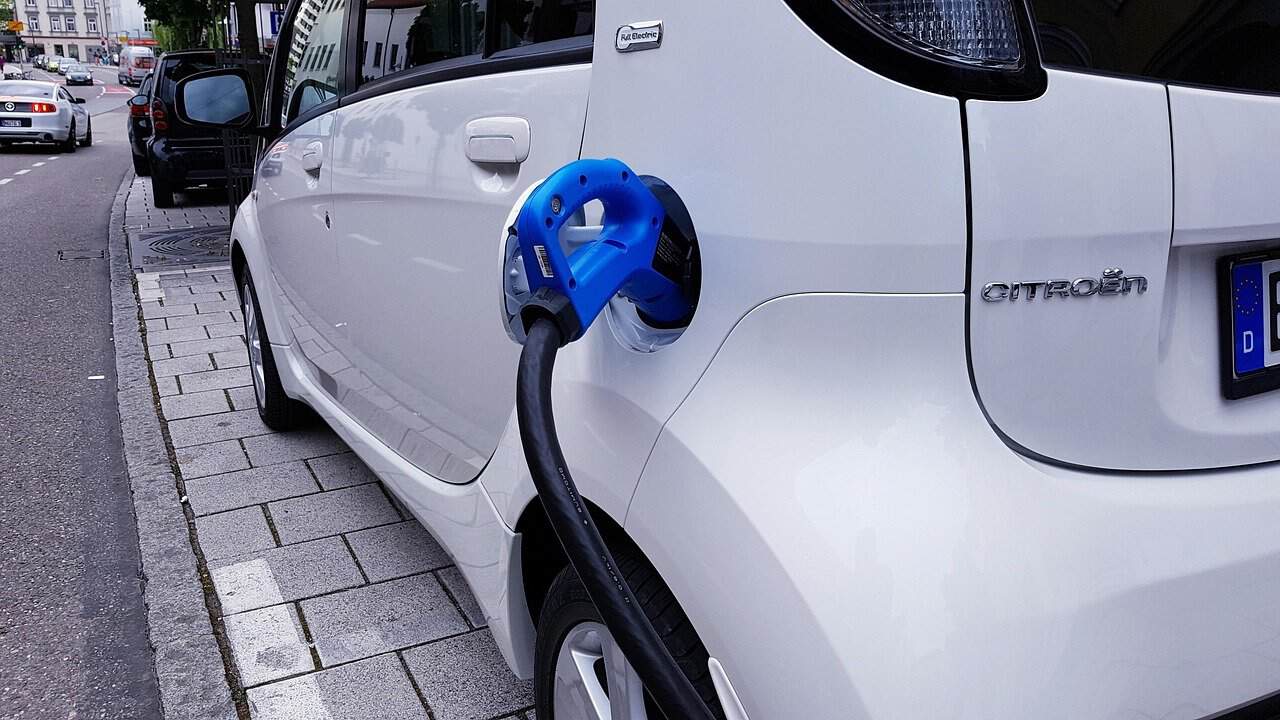
A new Freedom of Information investigation has put fresh scrutiny on the reliability of England’s public electric vehicle charging network. The research, published on 19 August 2026 by Close Brothers Motor Finance, suggests that whether a driver can trust their local chargers depends heavily on which council area they happen to live in.
Some Councils Watch Closely, Others Have No Data
CBMF sent FOI requests to 17 English county councils, and the responses show a stark divide in how authorities oversee their charging infrastructure.
At the top end, Northumberland County Council monitors all 487 of its public chargers every hour through a digital management platform and reports 97% uptime across its rapid charging network. Surrey County Council tracks its 411 charging sockets and says downtime stays below 3%.
At the other end, several councils admitted they simply don’t know how well their chargers perform. Lancashire, West Sussex, Nottinghamshire and Essex all said they hold no operational fault or reliability data because their networks are run by third-party charge point operators (CPOs). West Sussex County Council said the operational data belongs to Connected Kerb, so it isn’t information the authority holds. CBMF has labelled this a “data black hole”, and it’s difficult to argue with the description. If neither the council nor the public can see how reliable a network is, accountability becomes very hard to enforce.
The “One in Four” Figure Needs Context
The headline claim that one in four chargers is broken rests largely on Hampshire County Council’s response. It reported that 39 of its 157 public chargers, around a quarter of the network, were unavailable. However, the detail matters here. Of those 39, 27 were deliberately switched off because of low utilisation, meaning they weren’t faulty so much as switched off by choice. Leicestershire County Council, meanwhile, confirmed that 10 of its 53 charging sockets have been permanently removed from service.
That distinction doesn’t make the situation better for drivers. A charger that’s been switched off because few people use it is just as unavailable as a broken one when you need it. But it does suggest the problem is partly about network planning and utilisation rather than purely about faulty hardware. It’s also worth remembering that the findings come from a sample of 17 councils, so they illustrate inconsistency rather than offering a definitive national failure rate.
Drivers Remain Wary of Public Charging
The research also includes consumer survey data showing that confidence in public charging remains low. More than half of drivers surveyed (52%) said they never use public charge points.
Among those who rarely or never use them, the stated reasons were varied:
- 13% cited high costs or unclear pricing
- 10% said chargers are often busy or unavailable
- 8% said units are unreliable or frequently out of service
- 17% raised safety concerns, including poorly lit locations (8%) and leaving their vehicle unattended (9%)
Notably, reliability was not the single biggest deterrent, with cost and pricing clarity ranking higher. That’s a useful reminder that broken chargers are only one piece of a broader confidence problem, which also includes affordability, availability and personal safety.
The Industry’s Call for Standards
John Cassidy, Managing Director at Close Brothers Motor Finance, argued that confidence isn’t only about the number of chargers on the map but about knowing they’ll work when a driver arrives. He pointed out that the gap between councils that can monitor faults in real time and those that hold no data creates an inconsistent experience depending on where people live.
CBMF is calling on the Government and local authorities to accelerate investment in charging infrastructure and to introduce more consistent standards for monitoring and reporting charger reliability. In practice, that would mean councils and operators publishing comparable uptime figures, something Northumberland and Surrey already appear to be doing voluntarily.
A Commercial Angle Worth Noting
Readers should be aware that this research was commissioned by a company with a commercial interest in the subject. Alongside the findings, CBMF announced a new multi-year partnership with EV charging specialist Pod. The deal will give more than 5,000 CBMF dealer partners access to commercial forecourt charging solutions, while customers buying electric vehicles through participating dealerships will be able to access discounted home charging packages.
That doesn’t invalidate the FOI data, which comes directly from council responses and is independently checkable. But it does mean the report doubles as a rationale for the company’s own charging offering, particularly its emphasis on home charging as a more dependable alternative to public infrastructure.
Our Take
The strongest takeaway from this investigation isn’t the “one in four” headline but the transparency gap. When councils such as Northumberland can report hourly monitoring and 97% uptime while others hold no reliability data at all, it becomes clear that good oversight is achievable but far from universal.
For drivers weighing up an electric car, that inconsistency matters. Confidence in the charging network remains one of the main barriers to adoption, and it’s hard to build trust when reliability can’t be measured or compared. Clearer national reporting standards would be a practical first step, giving both motorists and policymakers the data they need to judge whether the network is really improving.
Via Close Brothers Motor Finance (CBMF)

This post was written by Rob Gordon, an IT geek, gadget lover and blogger. Rob has been using the internets since 1994 when the only streaming video was that coffee pot in Cambridge (rip)….
Follow Rob on X – @robgordon – about.me/robgordonuk