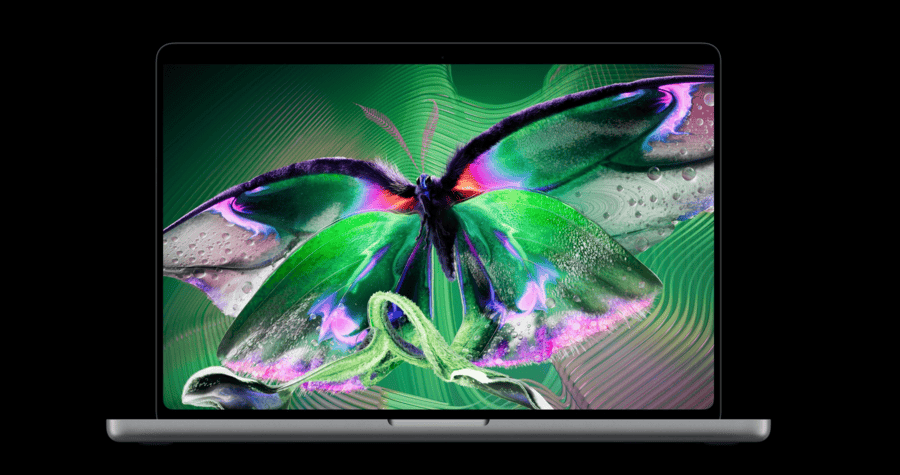

Apple is rounding out an exceptionally busy 2026 with a cluster of hardware launches that begins shipping on 6 November. The lineup includes the long-awaited OLED iPad mini, refreshed M6 models of the iMac and 14-inch MacBook Pro, and the company’s first touchscreen MacBook Pros featuring a new PROLED XDR tandem OLED display. A further smart home device, HomeView, follows on 13 November. Together these arrivals reinforce Apple’s focus on display technology, on-device AI, and form-factor experimentation after the earlier introduction of the iPhone Duo foldable.
What Arrives on 6 November
The most significant portable upgrade is the new iPad mini. It moves from an 8.3-inch LCD to an 8.5-inch Super Retina XDR OLED panel with thinner bezels, peak brightness of up to 1,200 nits in HDR, and a minimum of 1 nit for low-light use. The chassis is slimmer at 5.4 mm and lighter (around 255 g for the Wi-Fi model), and it gains an IP67 rating for dust and water resistance—the first for the mini line. Power comes from the A20 Pro chip on a 2 nm process; lower-storage models use a five-core CPU and single Neural Engine, while the 512 GB configuration steps up to a six-core CPU and dual Neural Engines for stronger on-device AI performance. UK pricing starts at £699 for the 128 GB Wi-Fi model, rising to £799 for 256 GB and £999 for 512 GB, with cellular versions and an optional nano-texture glass finish adding further cost. It supports Apple Pencil Pro and includes a landscape 12 MP Centre Stage front camera plus Wi-Fi 7.
At the higher end, Apple is shipping its first touchscreen MacBook Pros. Available in 14-inch and 16-inch sizes, these models use a tandem OLED panel branded PROLED XDR. The display reaches up to 2,000 nits peak brightness for both HDR and SDR content, a 10,000,000:1 contrast ratio, ProMotion adaptive refresh from 10 Hz to 120 Hz, and coverage of both P3 and Adobe RGB colour spaces with strong Rec. 2020 performance for colour-critical work. The multi-touch sensor is integrated into the panel itself rather than layered on top, reducing latency, while a Dynamic Island element appears at the top of the screen. The machines continue to use M5 Pro and M5 Max chips, start at roughly $2,899 / equivalent for the 14-inch model, and are thinner and lighter than the Liquid Retina XDR versions that remain on sale. UK buyers will find pricing aligned closely with US figures, with the 14-inch touchscreen model beginning around £2,899.
Also arriving on the same date are more incremental updates: the 24-inch M6 iMac (starting at £1,499 in the UK) and the entry-level 14-inch MacBook Pro with the base M6 chip. Both benefit from higher core counts, improved Neural Engines for Apple Intelligence features, Wi-Fi 7, and Bluetooth 6, while retaining familiar designs.
HomeView and the Broader November Picture
On 13 November Apple’s new HomeView smart home display becomes available. The 7-inch Liquid Retina square screen sits on a speaker base (or mounts to the wall) and is powered by an A18 chip. It supports Siri AI for conversational control, personalised faces that recognise up to six household members, FaceTime, music, camera feeds, and HomeKit management. UK pricing is £299. The device is not initially offered in the EU, where Siri AI availability remains restricted. Pre-orders for the 6 November products are already open, with delivery dates varying by configuration and region.
These launches sit against the backdrop of Apple’s wider 2026 product cycle, which has already included the iPhone 18 Pro series, Apple Watch Series 12 and Ultra 4, AirPods 5, and the company’s first foldable, the iPhone Duo. The Duo has drawn attention for a small number of early units that developed cracks on the inner display near the hinge; Apple has acknowledged the issue and is directing affected owners to AppleCare for replacements. While the company describes the problem as limited, it has provided a useful contrast with the more mature hinge engineering seen on competing Galaxy Z Fold devices.
What This Means for Buyers
For UK readers the immediate opportunity is clearer pricing and availability on the OLED iPad mini and the touchscreen MacBook Pros. The mini’s jump in display quality and portability is substantial, though the price increase and storage-tied chip differences will influence upgrade decisions. The touchscreen MacBook Pros represent a bigger philosophical shift: after years of resistance, Apple is adding direct touch while preserving keyboard and trackpad primacy, backed by software changes in macOS 27. Professionals working in design, video, or colour-critical fields may find the PROLED XDR panel’s brightness and contrast particularly compelling.
Software support continues in parallel. OS 27.3 updates are expected to bring further Siri AI improvements and a redesigned Health app, with some features extending to existing devices. Apple’s November activity therefore spans both new hardware categories and refinements to the existing ecosystem.
Readers tracking pre-order stock or comparing configurations should check Apple’s UK store directly, as delivery windows can shift with demand. Full reviews will follow as units reach customers from 6 November onward.
Via: Apple isn’t done with 2026: Here’s what’s still coming

Keen tech writer outside of my day job in I.T. and spending time with my family.